

When most travelers think of Las Vegas, they envision the high-stakes energy of the Strip, the choreographed fountains, and the endless rotation of world-class entertainment. However, for the curious traveler—the history enthusiast, the science aficionado, and the family seeking a deeper connection to the past—there is a much more profound story waiting in the Mojave Desert.
January serves as an ideal time to explore this alternative side of the city. With milder temperatures and a break from the peak holiday crowds, visitors can slow down and immerse themselves in the rich Atomic Age history that fundamentally shaped modern Nevada and the world at large. Las Vegas isn’t just a place to play; it is a living laboratory of 20th-century history and scientific innovation.
The National Atomic Testing Museum, a Smithsonian affiliate
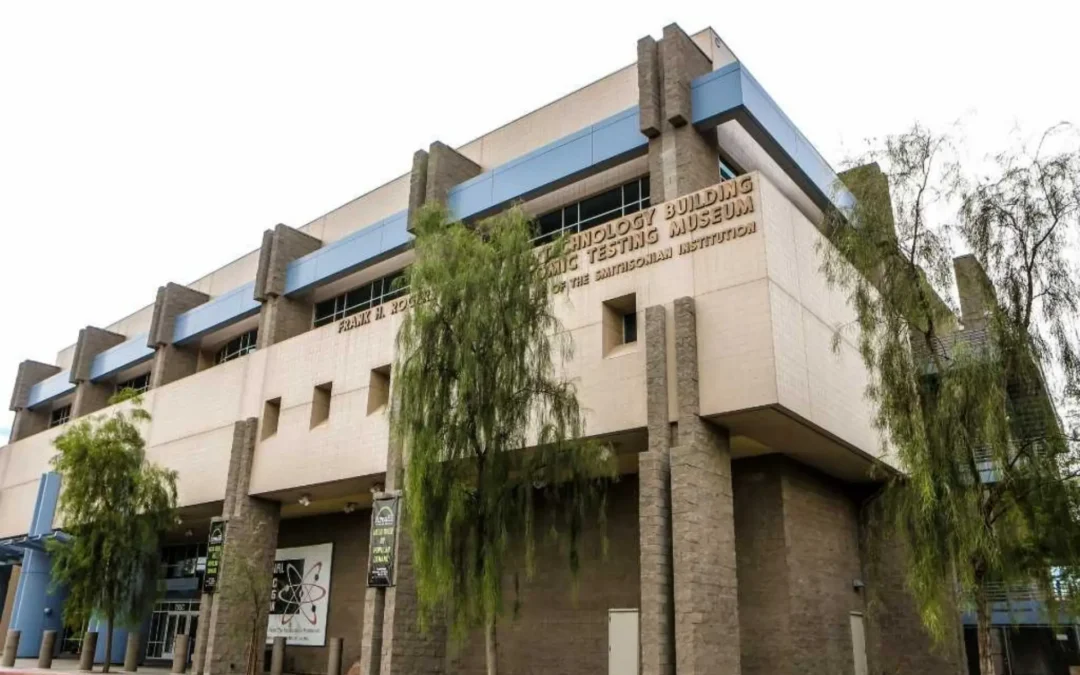
At the heart of this educational journey is the National Atomic Testing Museum. In a city often associated with “amusement” and “entertainment,” our museum provides a necessary counter-balance: a professional, factual, and profoundly moving exploration of nuclear testing at the Nevada Test Site. We don’t just show you artifacts; we provide a compelling journey into the legacy of the Manhattan Project and its lasting impact on national security and global culture.
Immersive Exhibits That Bridge the Past and Present
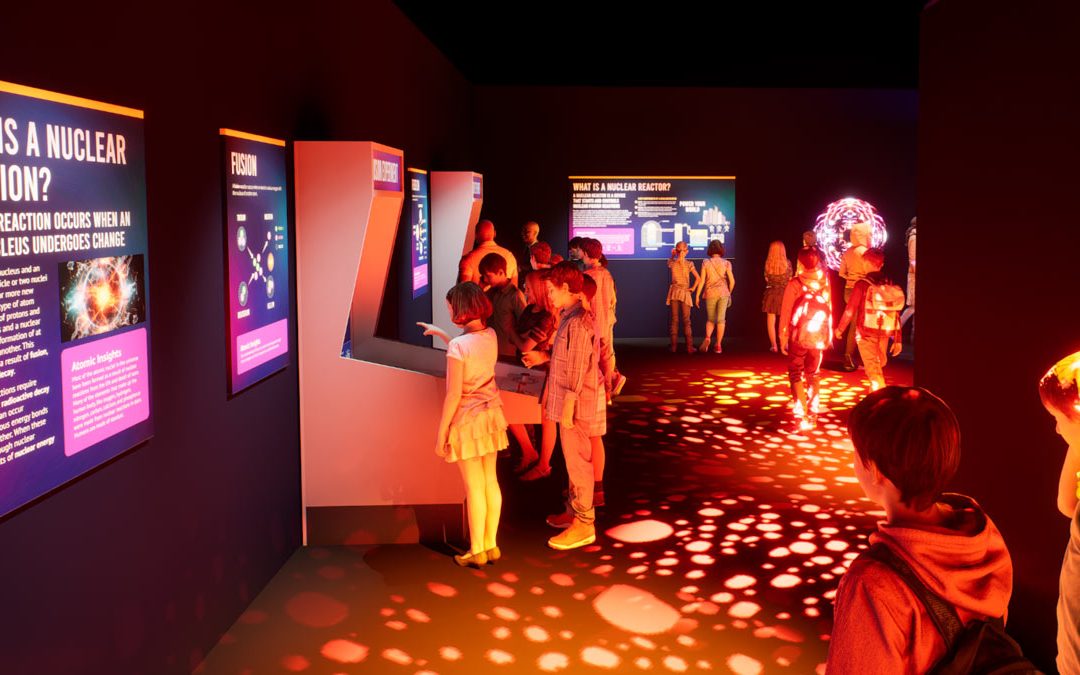
One of the primary goals for our visitors is to experience interactive learning that makes complex topics accessible. Our immersive exhibits are designed to do precisely that:
- The Ground Zero Theater: This simulated atomic blast offers a sensory experience that helps visitors understand the scale and power of the testing era without sensationalizing the weapons themselves.
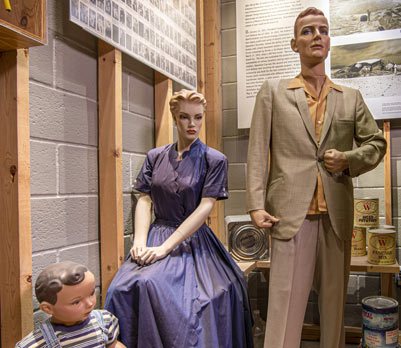
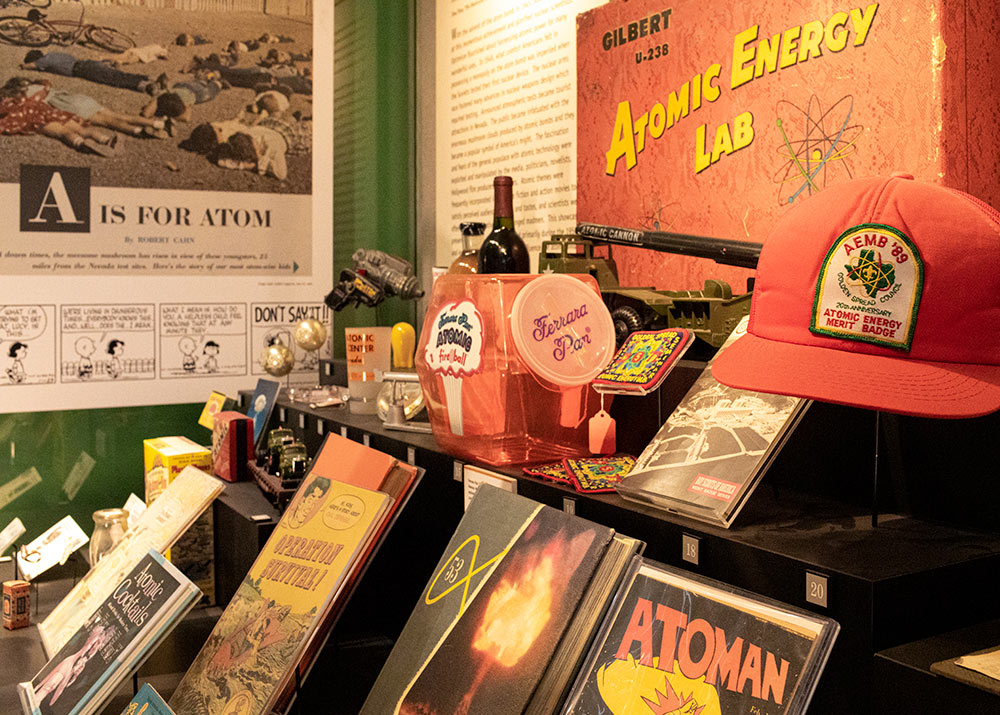
- Cold War Artifacts: From personal items belonging to workers at the Nevada Test Site to the iconic “Backpack Nuke,” our collection provides a tangible link to the tensions and triumphs of the 20th century.
- Interactive Learning Stations: We break down the science of nuclear energy, avoiding overly technical jargon to ensure that every visitor—from children to experts—leaves with a deeper understanding.
Deep Dive: The Science of the Nevada Test Site
To truly appreciate the history of the Atomic Age, one must understand the complex scientific experiments conducted just 65 miles north of the Las Vegas Strip. The Nevada Test Site (NTS)—now known as the Nevada National Security Sites—was not just a place for explosions; it was a sprawling laboratory where over 900 nuclear tests were conducted between 1951 and 1992 to push the boundaries of atomic physics.
From Atmospheric Brilliance to Underground Containment
The scientific evolution of testing at the NTS is divided into two distinct eras, each driven by different research goals and technological challenges.
The Atmospheric Era (1951–1962)
During these eleven years, the U.S. conducted 100 above-ground tests to study blast effects on structures and the environment. These tests, visible from downtown Las Vegas, were intricate experiments designed to develop everything from tactical battlefield weapons to massive hydrogen bombs.
The Transition to Underground Testing
Following the Limited Test Ban Treaty of 1963, testing moved deep beneath the desert floor. This shift required massive scientific advancements in containment and drilling technology. Over 800 underground tests followed, utilizing vertical shafts or long horizontal tunnels drilled into mountain ranges to prevent radioactive gases from reaching the atmosphere.
Artifacts of Discovery
At the Atomic Museum, we showcase the physical tools of this intense period of scientific research. These aren’t just relics; they are instruments of precision that measured phenomena occurring in millionths of a second.
- Measuring the Invisible: Exhibits feature authentic Geiger counters, radio badges, and early computer models used to calculate the compression of fissile material.
- The Underground Testing Gallery: Here, you can see the enormous drill bits used to create test shafts and the instrumentation packages—often 40 to 80 feet high—that were lowered into the earth to capture data from a nuclear detonation.
- Nuclear Rocketry: Beyond its use as a means of weaponry, the NTS served as a hub for peaceful scientific exploration. The museum displays a massive nuclear reactor used in the development of nuclear rocket engines (the NERVA program), representing a pioneering intersection between nuclear technology and space exploration.
Expanding the Itinerary: Educational Tourism in Vegas
While the Atomic Museum is a cornerstone of science in the valley, it is part of a larger ecosystem of educational attractions Las Vegas has developed for those who want more than just a typical vacation.
The Neon Museum: Preserving Cultural History
Often paired with a visit to the Atomic Museum, the Neon Museum offers a visual history of the city. While the signs are artistic, the history is scientific, dealing with the evolution of neon and argon gases and the engineering required to light up the desert night. For those seeking Las Vegas history tours, this is a “must-visit” to see how the Atomic Age aesthetic influenced the city’s architecture.
The Mob Museum: Law and Forensic Science
Located in a former federal courthouse, this museum tackles the history of organized crime. However, its real value for the science enthusiast lies in its forensic science exhibits. It illustrates the evolution of ballistics, fingerprinting, and DNA evidence, offering a factual examination of how technology has transformed American law enforcement.
Springs Preserve: Desert Ecology and Sustainability
For families looking for things to do in Las Vegas with kids, the Springs Preserve offers an outdoor and indoor look at how a city survives in a desert environment. It complements the Atomic Museum by showcasing the region’s natural history, which became the stage for the nuclear age.
Conclusion: A Legacy Beyond the Lights
Choosing to explore the historical and scientific side of Las Vegas offers a perspective that few travelers ever see. By visiting the Atomic Museum, you are engaging with the lasting legacy of the Atomic Age and its profound influence on modern society.
Whether you are standing in a simulated blast zone, examining rare Cold War artifacts, or tracing the steps of the scientists behind the Manhattan Project, you are gaining a deeper understanding of the scientific and cultural facets that define our world today. Las Vegas may be famous for its neon, but its true power lies in the history and science that helped shape the 20th century. We invite you to step away from traditional Las Vegas attractions and discover the immersive, educational journey awaiting you just off the Strip.
Plan Your Visit to the Atomic Museum
Are you ready to experience the history of the Atomic Age firsthand? Whether you are a resident or visiting from afar, the Atomic Museum offers interactive learning and immersive exhibits, making it one of the most unique things to do in Las Vegas.
- Purchase Tickets: Secure your entry to explore our permanent galleries and limited-time exhibits.
- Plan Your Visit: Find information on hours, location, and how to make the most of your trip to one of Las Vegas’s premier museums.
- Support the Museum: Learn how you can contribute to preserving nuclear history and help us continue our mission.
Frequently Asked Questions
Is the Atomic Museum appropriate for young children?
Absolutely. We offer interactive learning opportunities and immersive exhibits suitable for all ages. While the subject matter is serious, we strive to make complex history accessible and engaging.
How does the museum handle sensitive topics?
We handle sensitive topics—such as health effects and environmental impacts of testing—with factual accuracy and care for the affected communities. We present a balanced, evidence-based perspective.
Why is the museum considered a “must-see” for history buffs?
We offer the world’s largest and most comprehensive collection of Cold War artifacts, along with a documented history of the Nevada Test Site. From the Manhattan Project to modern-day science, this is an unparalleled glimpse into the history of the Atomic Age.


0 Comments